The Caregiver
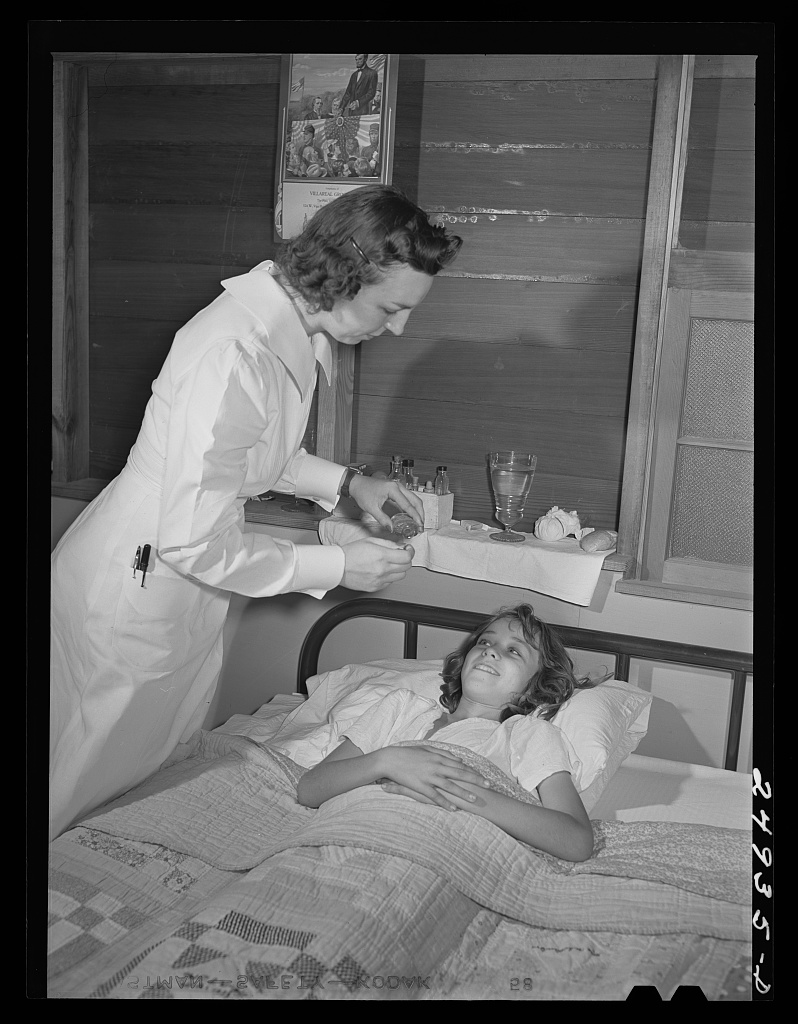
She quit her job to take care of her mother. Nobody told her to. Nobody had to. The nursing home cost $7,400 a month. Her salary was $54,000 a year. The math made the decision before she did.
She is now a full-time caregiver. No salary. No benefits. No retirement contributions. No unemployment insurance. No performance reviews — although if she had one, it would note that she works seven days a week, is on call twenty-four hours, and has not had a day off in fourteen months.
The economy counts her as “not in the labor force.” The same category as a retiree or a trust fund kid. She works harder than she ever did at the job she left. The GDP doesn’t count it. No institution measures it. Unpaid caregiving in the United States is valued at $600 billion a year by the economists who study it and at zero dollars by the systems that run on it.
Her brother helps. He calls on Sundays. He sends money when he can. He has not changed a bedsheet, administered medication at 3am, or sat in a waiting room for two hours to be told the same thing. The family calls him “so supportive.” She is “the one who takes care of Mom.”
When her mother dies — and she thinks about this with a guilt that has its own weight — she will reenter the workforce with a four-year gap on her résumé, no recent references, and skills the market doesn’t recognize because the market has never had to pay for them.
She’s not a hero. She’s not a martyr. She’s a person who did the math and discovered that the most important work in the economy is the work the economy refuses to count.