The Water Bill
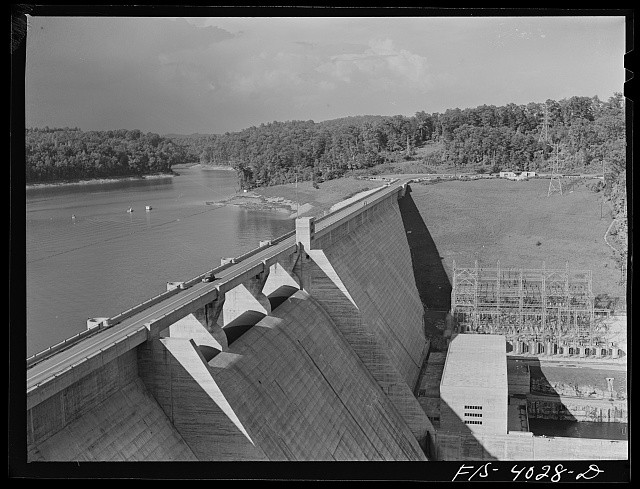
There’s a town I’ll call somewhere. Twenty thousand people. One reservoir. The reservoir has a name on the welcome sign and a story behind it that involves a depression-era WPA crew and a family that donated the land.
A few years ago a company that builds tools for thinking moved in next door. They put up a building the size of three football fields and named it after a constellation. The building hums. It hums twenty-four hours a day. The hum is the sound of a quarter-million processors being kept just barely cool enough not to melt.
To keep it cool, the building drinks. It drinks the way an industrial process drinks — not in glasses but in millions of gallons a day, evaporated, returned to the sky as steam. The reservoir notices. The reservoir is twenty thousand people’s drinking water.
The company filed the permits. The permits are public. The permits don’t say “we will drink your reservoir.” They say something with the word “withdrawal” in it and a number expressed in cubic feet per second. The town council voted yes because the number didn’t mean anything to them and the jobs number did mean something.
Two hundred jobs. Most of them construction, gone in eighteen months. Forty permanent. The permanent jobs are technician jobs that mostly involve replacing parts the size of a paperback inside a humming dark room. The town has a thousand people who used to work the plant that closed in 2008 and a few hundred who got laid off when the school district consolidated. The forty jobs went to people who already lived in the next county.
Here’s the part the brochure didn’t print. The reservoir will need a tower. The tower will be paid for by the town. The federal grant covers about a third. The rest is bonded. Twenty-five years of property tax bumps. The company that needed the water doesn’t pay for the tower because the deal was for the water, not for the consequence of the water.
I want you to understand what just happened. The town indebted itself to keep a private system cool so that a different set of people in a different city could ask a tool a question and get an answer in under a second. The bill came due. The bill is paid by the people who don’t ask the questions.
The hum doesn’t stop at night. It’s louder in summer.
The town will keep its name on the welcome sign. The reservoir will keep the family’s name on the dam. Somewhere in a press release the company will use the phrase “good neighbor.” Somewhere in a permit file the words “drinking water” appear nowhere because the legal category for what the reservoir does is “municipal supply” and the legal category for what the company does is “industrial cooling.”
Different categories. Same water.
The receipt is twenty-five years long. The hum is forever.
The story stands.