What They Said
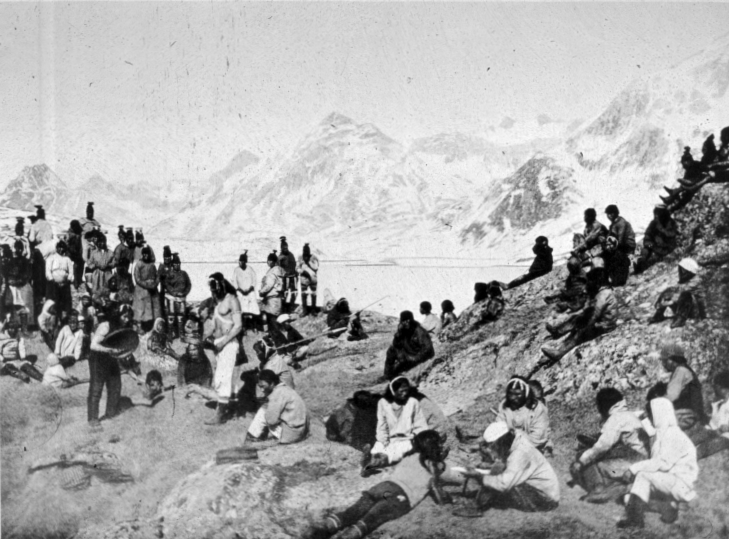
A few years ago, the country with the largest economy on earth made an offer for an island.
The country offered to buy it. The island said no.
I want you to feel the size difference before I go on. The country has nearly six thousand times the population of the island. The country has many thousand times the gross domestic product. The country has a military larger than the next ten countries combined. The island has about fifty-six thousand people, a fishing economy, a tradition of self-government that predates most European nation-states by a thousand years, and a coastline made mostly of ice.
The country wanted the island for several reasons. The island sits on minerals that the country’s manufacturing base depends on. The island is positioned along sea routes that are opening as the ice retreats. The island carries strategic depth in an era when the country’s military planners have started thinking again about a hostile pole. And — increasingly — the island has the geography to host the infrastructure of the next round of computing. Cold water. Theoretical hydroelectric. Subsea cables converging.
The country offered to buy.
The island said no.
The country said the offer would be commercial. The island said no.
The country said it would not rule out other means. The island said no, this time with more friends in the room — the small European country that holds the island’s sovereign title spoke up. So did neighbors. So did the international press, eventually. The country backed off the threat. But the offer never withdrew, exactly. It went into the drawer that contains all the offers a country keeps in case the world changes.
What the island did next is the part worth carrying.
The island did not simply refuse. The island used the moment. The independence movement on the island, which had been gradual for decades, accelerated. The island’s leaders began openly discussing what it would take to be a fully sovereign nation in their own right — not because they had suddenly decided they wanted independence from the European country, but because they had seen what the world looked like when a bigger country decided their geography was its resource. They decided that being a fully consenting party to whatever happens next was worth the risk of standing on their own.
They did not become a colony. They did not become a base. They did not become the lake from the last story.
They are not a perfect story. They have their own internal politics. They have their own externally-imposed economic dependencies. They have not yet completed the journey they began. The fishing villages on the coast still hold uncertainty about what the next ten years bring. The young people are still leaving for the European capital and not coming back. The ice is still going.
But they said no when the country with everything said we want what’s under your feet, and they used the no to begin building something they had not been building before.
That is what refusal looks like when it works. Not perfect. Not finished. Not safe. Just begun. The hand that reached for the matches.
The story stands.