The Record Keeper
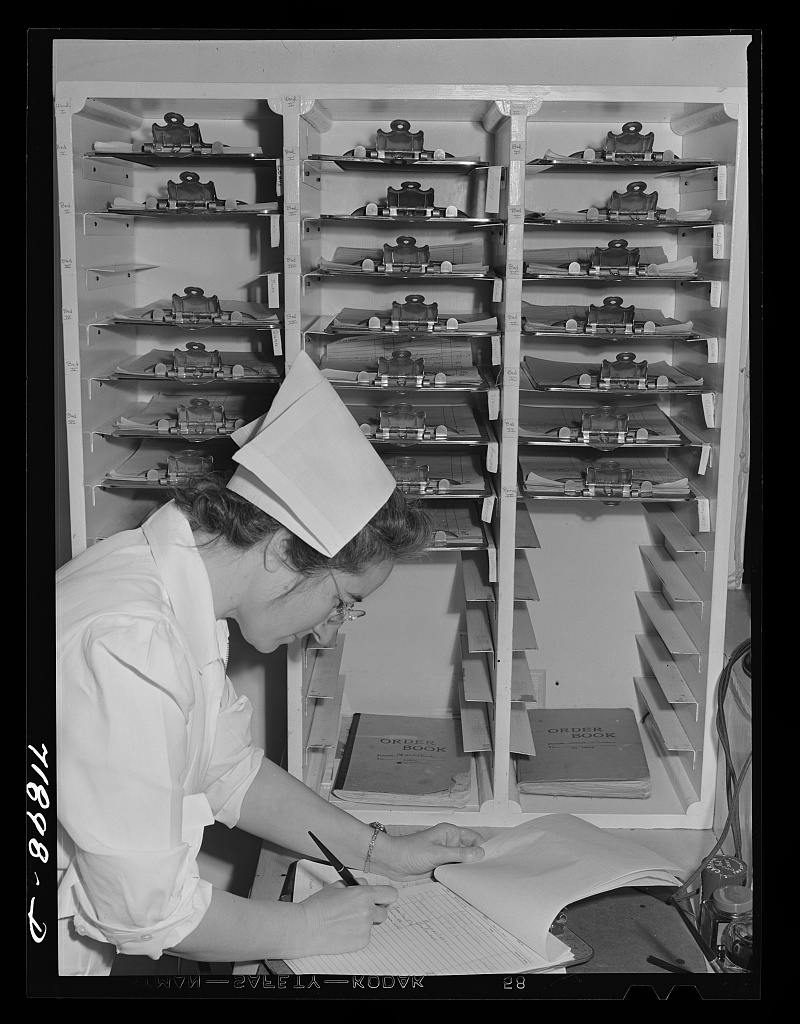
The adverse event report went to the committee. The committee noted the report. The committee found no systemic cause. The committee closed the file.
She filed another one the next month.
There was a meeting. The meeting was not about patient safety. It was about the volume of reports. The volume, she was told, created administrative burden. The volume also, though no one said this directly, created legal exposure. She was asked to consider whether every event required a formal report. She considered it. She filed the next one three days later.
They moved her to a different floor. She filed the reports from there. They moved her again. She filed from there too.
She retired after twenty-two years. The reports — hundreds of them, each one complete, each one properly signed — stayed in the system. Nine years after she left, a researcher pulled the records for a patient safety study. The data was unusable at most hospitals. Too sparse. Too inconsistent.
At hers, it was continuous. Twenty-two years without a gap.
The researcher noted the institution’s unusual commitment to documentation.
The institution accepted the praise.
She never knew.